RADO MOVING MATERIALS 2026
Architecture of Time
Time, movement, and materiality lie at the heart of the long-standing collaboration between the Swiss watch manufacturer Rado and VIENNA DESIGN WEEK. Together, both partners actively support emerging design positions and experimental creative approaches.
In 2026, this partnership continues with the RADO MOVING MATERIALS competition. From March to August, six motion designers are invited to develop animations produced specifically for the videowall of the Rado Boutique in Vienna, responding to this year’s theme, “Architecture of Time.” Their works explore temporal structures, rhythm, transformation, and the visual translation of motion.
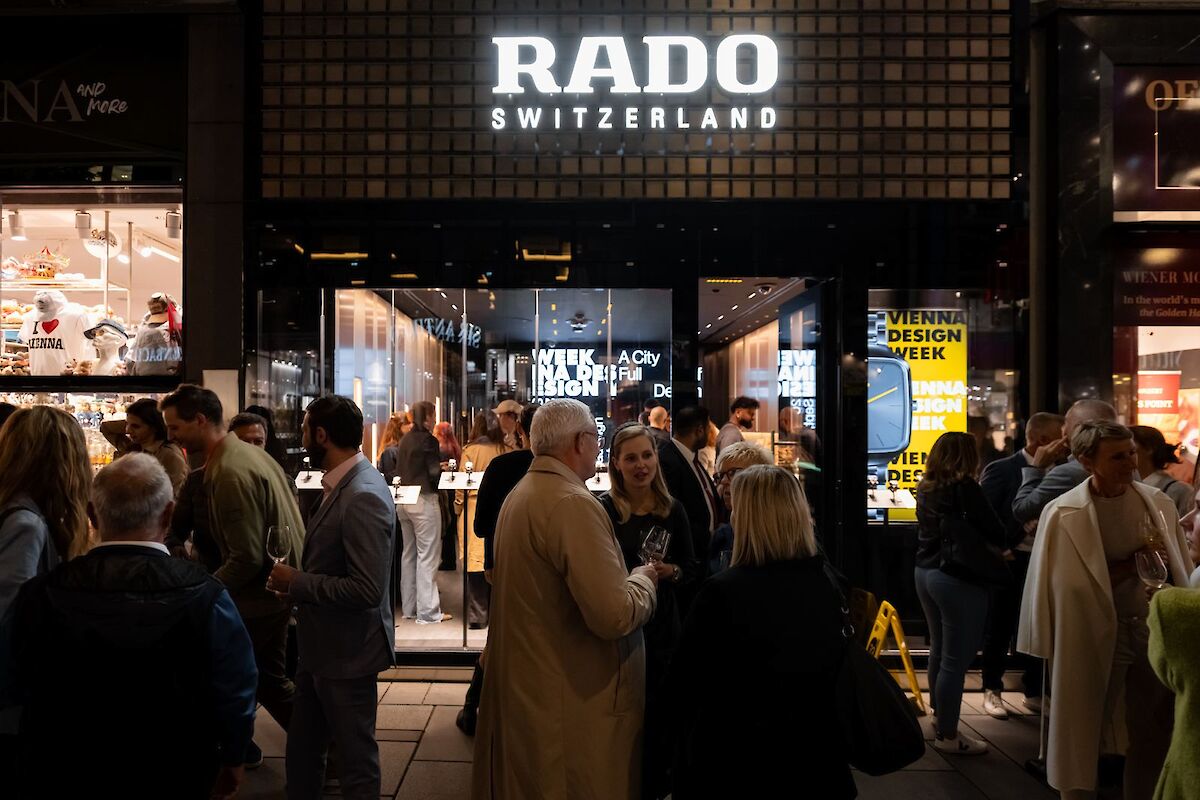
All six contributions will be presented during VIENNA DESIGN WEEK at both the festival headquarters and the Rado Boutique (Kärntner Straße 18). The festival will also announce the recipient of the RADO MOVING MATERIALS Award 2026.
Participants 2026:
Maximilian Prag
Alessa Wolfram
Liza Borovskaya-Brodskaya
Thomas Albdorf
Diana Bobb
Simon Hundsbichler & Jonas Nath
FOLGE 1: Maximilian Prag
refresh-rate rituals (star time to screen time)
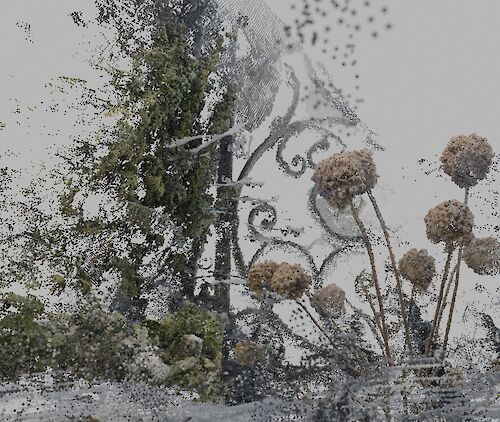
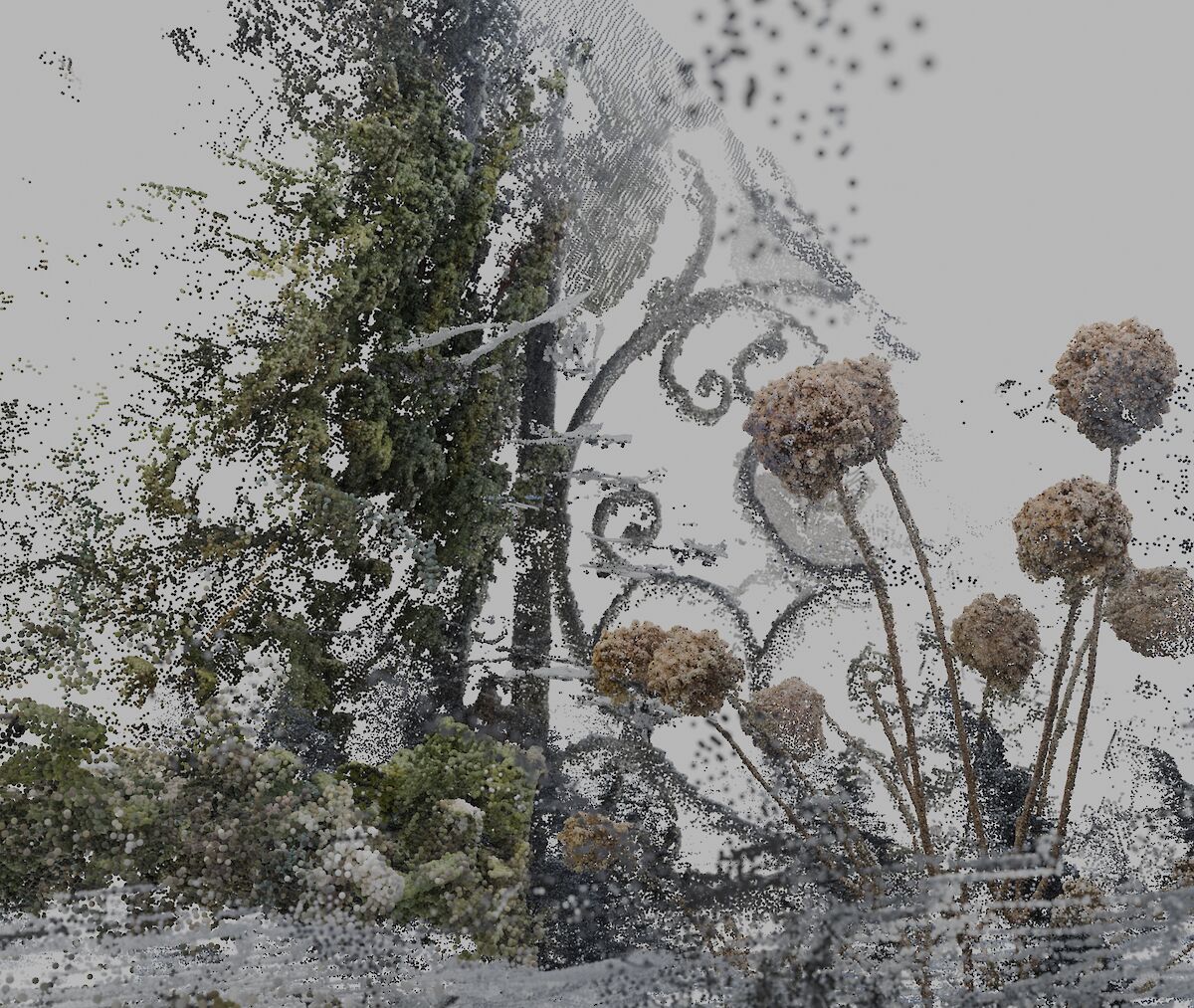
In their video work Maximilian is treating time as both physical and metaphysical material. From deep sea internet cables navigating our faster than real-time social media timeline to planetary timescales of erosion and decay. Combining both human and non-human time-forms (lines, cycles, spirals, liminal, seasonal) they use time as a material for world building. In their CGI approach they use (de-)generative algorithms together with digitized archival matter in form of 3D scans to bridge tangible with intangible matter representing an open dreamscape of realities.
The video shows their research into time as a fourth dimension and visualizing time as cause and effect, but also the act of recording or experiencing time itself as a moving material. Time is treated not as a linear progression, but a flow measuring itself as it streams in and out of consciousness.
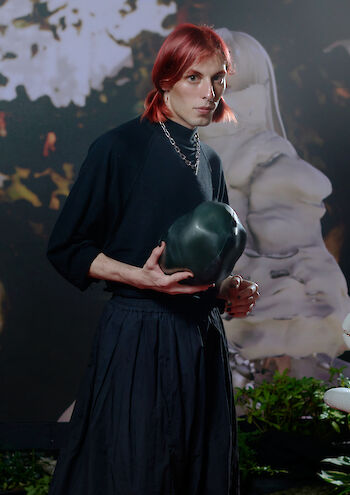
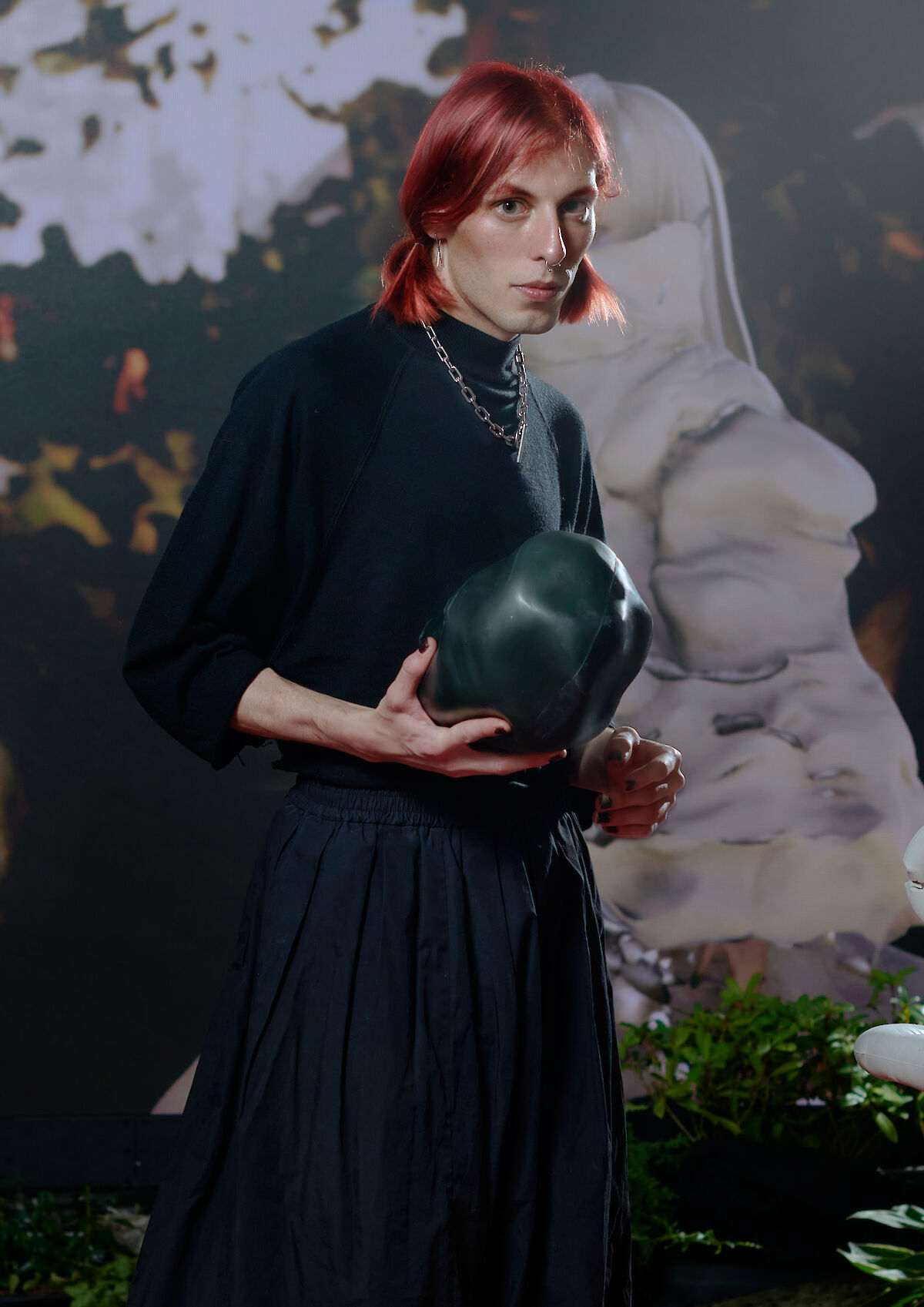
Maximilian Prag (they/them, *1997, Linz) is an interdisciplinary artist and designer testing contemporary visual and new media culture. Working with new media technology in between visual communication and art, they create new formats of digital representation, virtual worlds, digital generative imagery and multimedia installations.
FOLGE 2: Alessa Wolfram
feeling for time
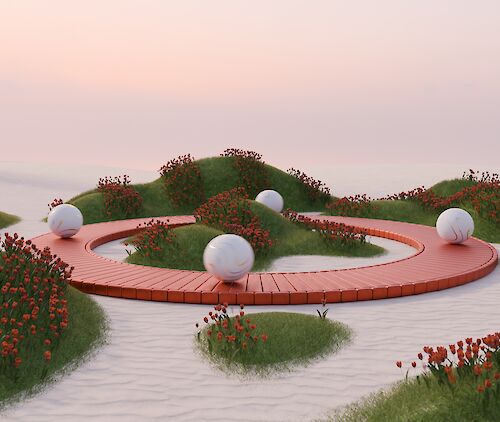
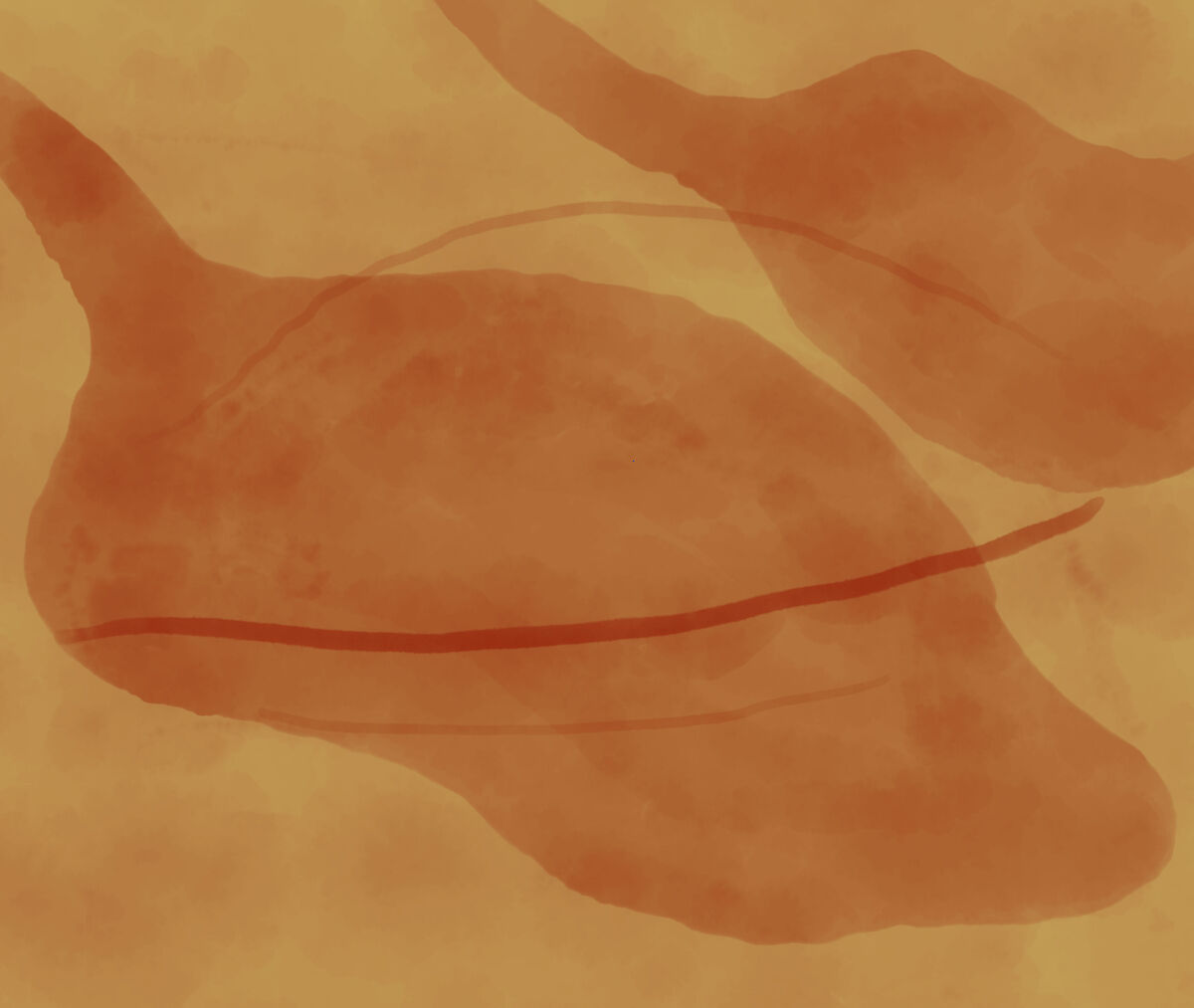
"Time is movement, and yet it can stand still. Time moves steadily forward, and yet it is ever-recurring. Time is invisible, and yet one can see all its effects. Time is something you feel. The animation’s approach to the theme ‘Architecture of Time’ is to show the forms from which time is constructed in terms of movement, how time becomes visible, and how it feels. The animation guides the viewer through various abstract scenes in which familiar feelings regarding time are depicted using shapes, movement and materials. An example of this: time runs in a cycle. Things happen over and over again, like the seasons, the feeling of being able to start afresh time and again, but also the feeling of going round in circles and not making any progress."

Alessa Wolfram is a 3D artist and illustrator based in Vienna, holding a Master’s degree in Digital Arts from Hagenberg, where she specialised in 3D animation. Today, she works freelance as a 3D generalist, combining technical skill with a keen sense of visual storytelling in her work. Her animations are often characterised by humorous elements and frequently place a particular focus on expressive characters.
FOLGE 3: Liza Borovskaya-Brodskaya
in the blink of an eye

"Time is not a natural phenomenon, rather a social artifact. We see motion, change and processes, while we move through a flux of situations that assemble and disassemble. Time might seem as something outside of our control; in fact time is human made: Clocks – frames for time, slicing organic processes into abstract units. Film seemingly does the same, yet – despite the rigid rhythm of the frames – it can transcend time, creating movement through constructed images."

Liza Borovskaya-Brodskaya is a graphic designer and illustrator based in Vienna. She works with various forms of media, such as book design, visual identities, web design and all forms of printed matter. In her illustration practice “LizaCutz” she creates paper collages. Her work explores arrangements of unique shapes and the re-assembling of the leftover papercuts into dynamic, playful and tactile compositions. The cutouts of previous collages can often be found in the subsequent works, where they form new compositions while still pointing at previous works, even if discreetly.
FOLGE 4: Thomas Albdorf
time well spent (the relentless pursuit of nothing)
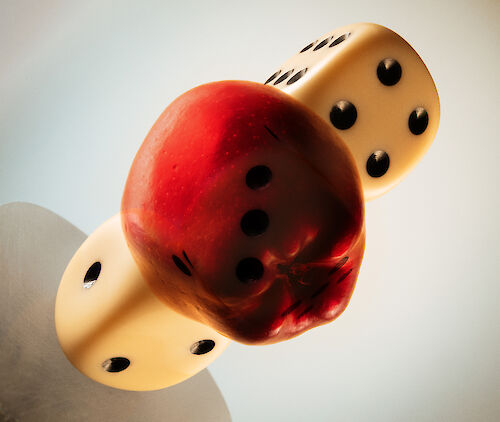
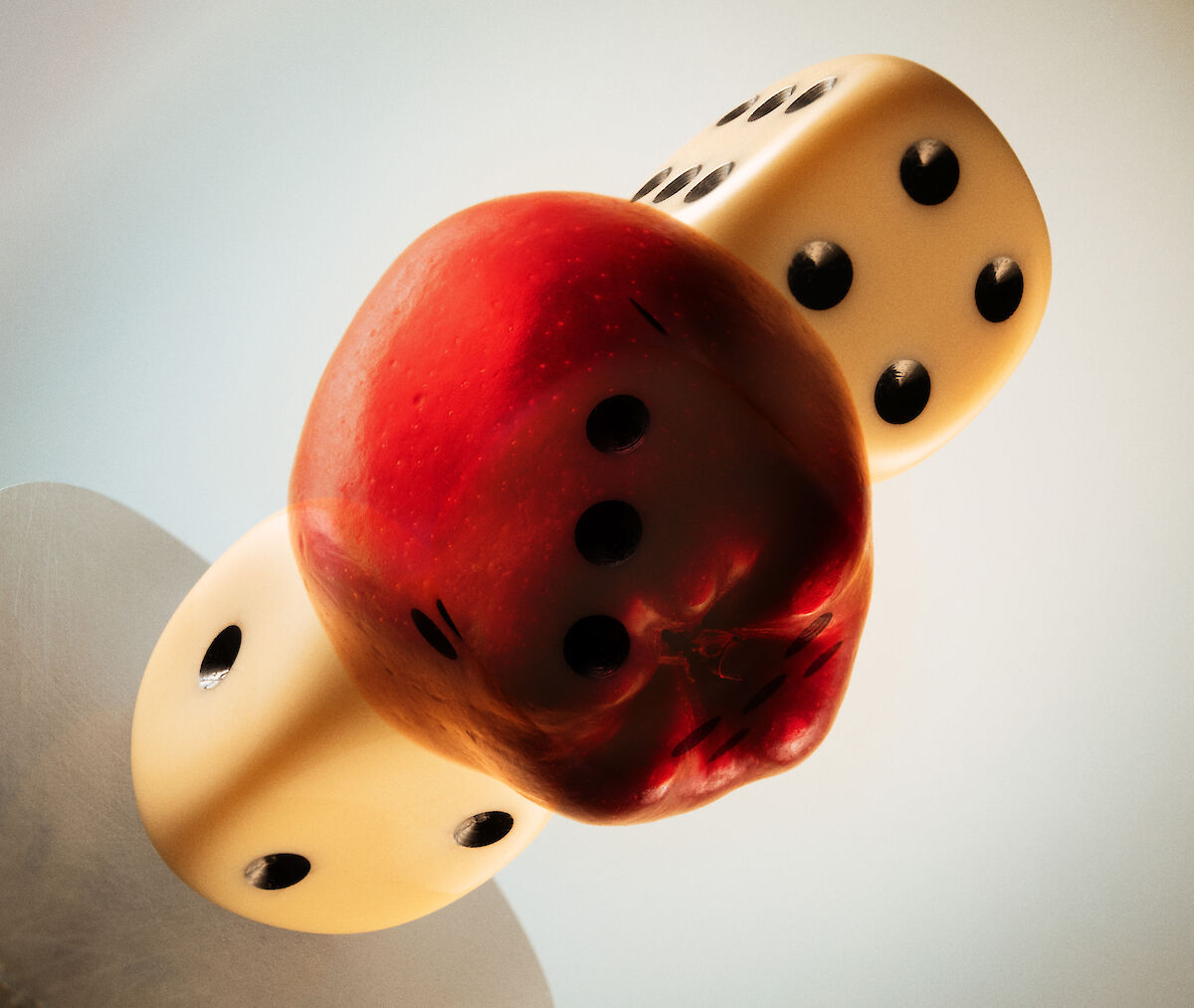
“Time Well Spent (The Relentless Pursuit of Nothing)” is a tender exploration of everyday objects that we encounter constantly – these become the protagonists and the focal point of the filmic composition. This meditative, aimless engagement with seemingly mundane objects encourages and enables us to find joy in everyday life, which demands only time in return.
The objects in question are filmed and staged conventionally at first, only to have their temporal representation shifted in subsequent post-production stages – multiple temporal levels are shown simultaneously using various techniques, thereby exploring the possibilities of film and animation in contrast to conventional perception.
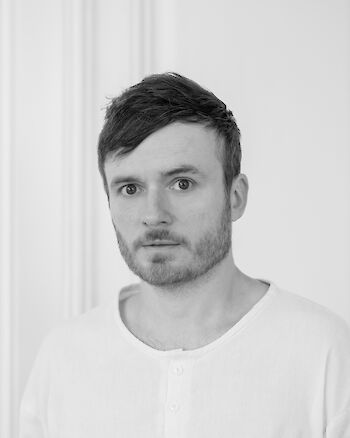
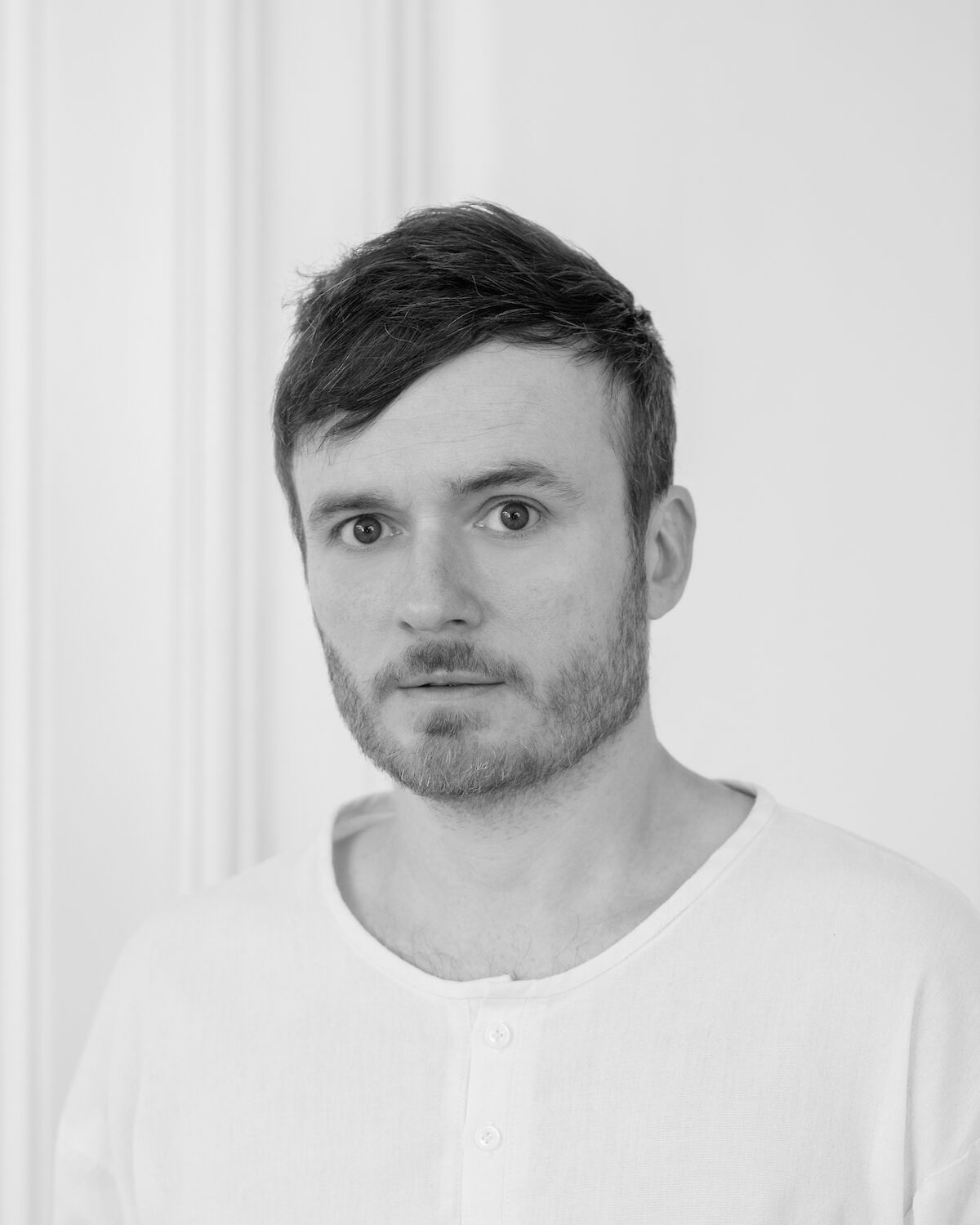
Thomas Albdorf studied transmedia art at the University of Applied Arts Vienna, graduating in 2013. He was named one of the “Artists to Watch” by the British Journal of Photography and won the UNSEEN Amsterdam Talent Award. Albdorf has had solo institutional exhibitions at FOAM Amsterdam in the Netherlands and at the Museum Folkwang in Germany, and his work has been exhibited in galleries across Europe and the USA. He has been profiled and interviewed in magazines such as FOAM Magazine, the British Journal of Photography, The New Yorker, The New York Times, Vanity Fair, The Wall Street Journal and others.
FOLGE 5: Diana Bobb
parents of time
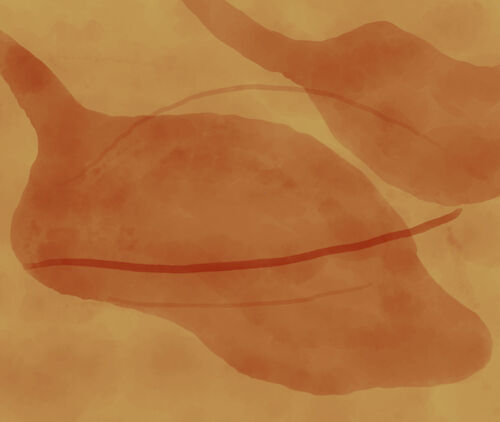
"My inspiration stems from the rhythms that structure our lives. Long before humankind developed mechanical clocks, we oriented ourselves by the stars, the shifting shadows of the sun, the length of the night and the phases of the moon. From these recurring movements, an architecture of time emerged. Modern physics shows that time is not a universal constant. According to Einstein’s theory of relativity, it passes at different rates depending on motion and gravity. Yet our bodies, too, have their own sense of time: our heartbeat, breathing and biological rhythms determine how we experience duration. Different living beings move at different paces – their heart rates, metabolisms and lifespans each follow their own rhythms. My animation explores the relationship between these two levels of time: the cosmic rhythms that structure our planet, and the biological rhythms that govern our lives. It asks whether time is a property of the universe, or whether it only becomes perceptible through recurring movements and our own perception."
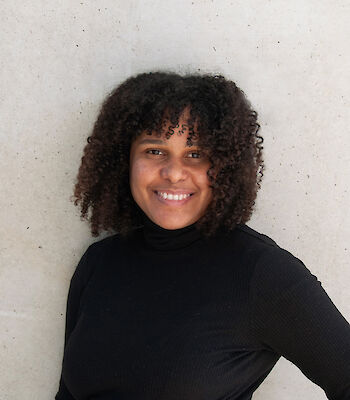
Diana Bobb works as a freelance illustrator and graphic designer in Vienna. Her interdisciplinary practice combines analogue and digital techniques and encompasses projects in the fields of animation, conceptual illustration, editorial design and other visual media. Her work is characterised by a metaphorical visual language that playfully adds further layers of meaning to her imagery. In addition to her creative work, she also works as a guest lecturer in Berlin.
FOLGE 6: Simon Hundsbichler & Jonas Nath
screentime
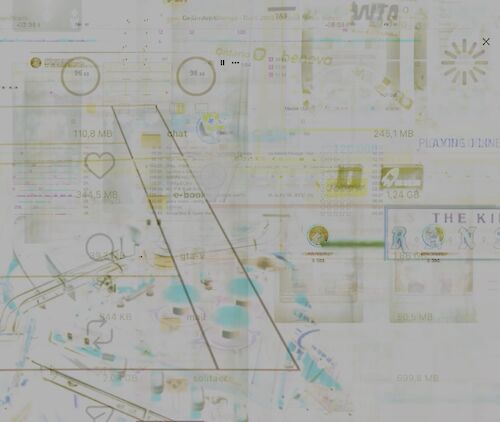
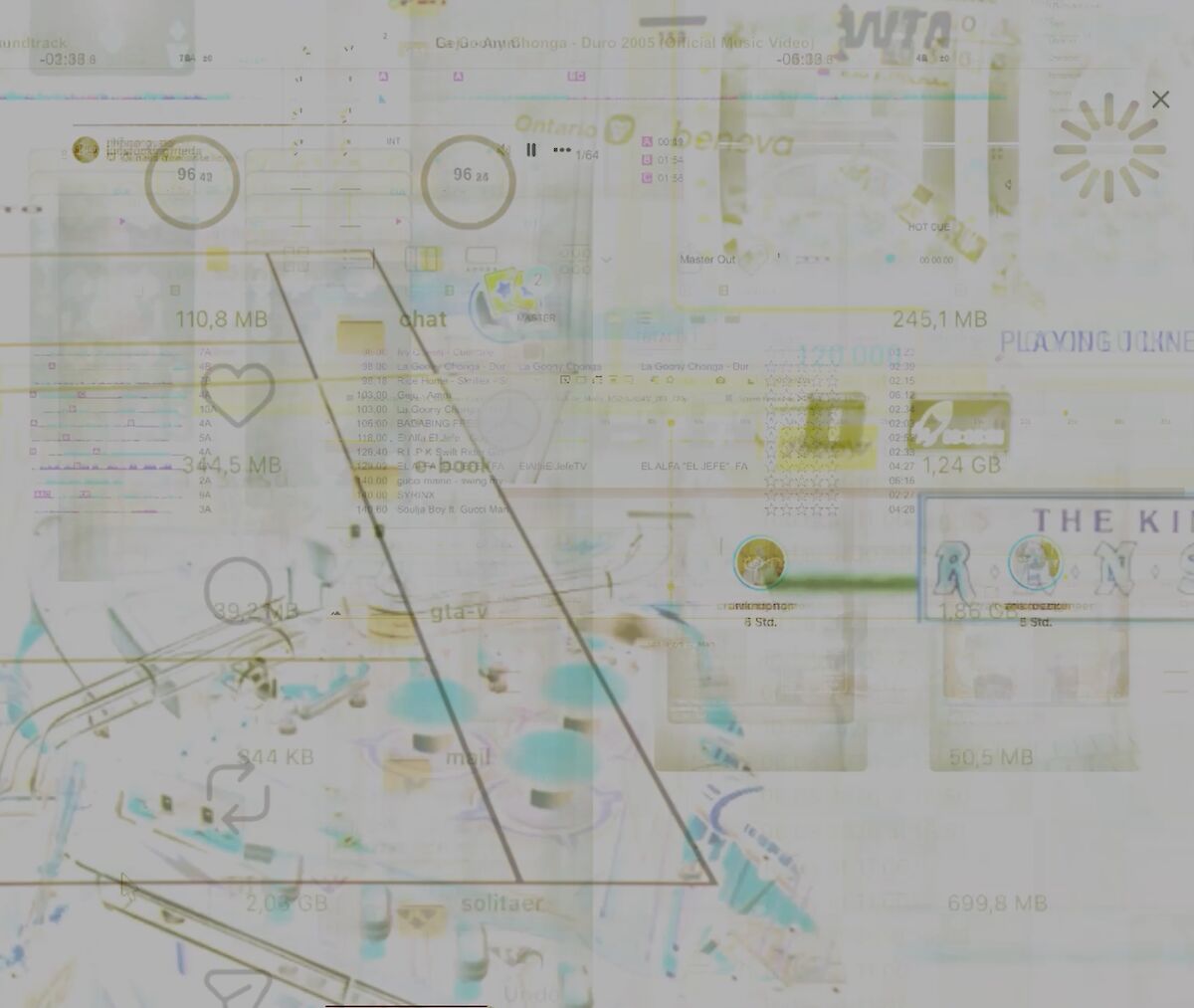
"This project explores the intrinsic time of screen-based media through two complementary manifestations of time – the ghost image and the screensaver. The ghost image preserves past states as an irreversible material footprint, permanently burned into the display through pixel aging. In response, the screensaver acts as a technical countermeasure, protecting the screen through subtle animation. Inspired by the concept of the cinemagraph, this standby mode freezes the moment into a paradoxical state, oscillating between still and moving image. The image is built upon an infinite, seamless loop that erases any sense of beginning or end, lingering as a romanticized place of longing. These two phenomena enter into a dialogue where the ghost image autonomously preserves an echo of the past, while the screensaver simulates an endless, hypnotic present. The project poses the question of how digital media shift our perception of time and how supposedly transient images leave behind permanent, material traces."
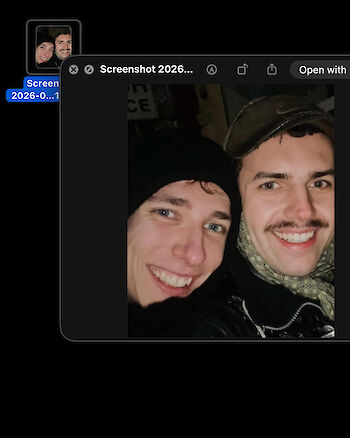
Simon Hundsbichler is a graphic designer based and working in Vienna. In 2026 he graduated from the class of Design and Narrative Media at the University of Applied Arts Vienna. His practice is multimedia and transdisciplinary, critically examining the media he employs, which frequently themselves become research subjects within his work. Since 2025 Simon has been working as a graphic designer for the art and culture venue Vinzenz Wien.
Jonas Nath is an independent graphic designer based in Vienna. He graduated in Design and Narrative Media from the University of Applied Arts Vienna in 2025. In his practice, he investigates media systems and spatial relationships through the interplay of digital and analogue techniques. Inspired by a broad spectrum of references, ranging from internet culture to functional infographics, his work includes installations, typography, printed matter and web design.
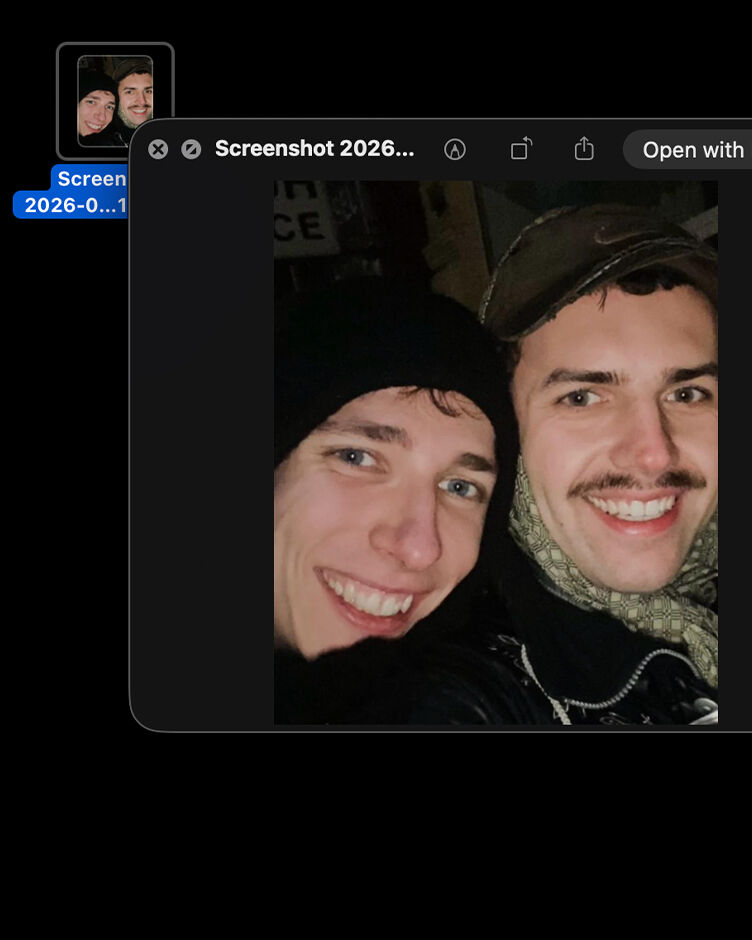
Simon and Jonas met as students, sharing an enthusiasm for exploring ideas through collaborative dialogue from day one. Exchanging phone snapshots of everyday graphics and visual observations, they were both drawn to how functional choices produce unintended, beautiful results. While their individual practices are distinguished by different modes of expression, they share common theoretical interests and a critical engagement with media as a framework for developing projects. What emerged from this exchange was not only a close friendship, but also the foundation for an ongoing artistic collaboration.